For a glamping operator, relying solely on the “heads-in-beds” revenue model is a missed opportunity. Because glamping is inherently tied to the experience economy, guests are usually willing—and often eager—to pay for convenience, curated activities, and unique add-ons.
Adding additional revenue streams transforms your business from a basic accommodation provider into a full-service hospitality destination. Here is why you should consider diversifying your income streams.
Most glamping businesses are subject to the volatility of weather and peak travel seasons. By diversifying, you decouple your income from the physical occupancy of your domes.
Off-Season Utility: If you offer digital courses, branded merchandise, or remote event hosting, you generate income even when the domes are winterized or closed.
Smoothing Cash Flow: Ancillary sales (like food kits or equipment rentals) provide high-margin cash injections that aren’t dependent on a guest booking a full night’s stay.
The goal of any accommodation business is to increase the amount of money earned per available room.
The “Share of Wallet” Effect: If a guest spends $ 300 per night on a dome but goes off-site to find dinner, activities, or firewood, you have lost that potential revenue. By providing these services on-site, you capture that spend.
Psychological Thresholds: Guests are often more willing to spend an extra $ 50 on a “Romance Package” or a “Guided Hike” after they have already committed to the base price of the booking.
In 2026, the glamping market is increasingly saturated. A basic dome is no longer enough to differentiate your brand.
Brand Loyalty: A guest who enjoys a unique on-site yoga retreat or a farm-to-table dinner at your location is significantly more likely to return (and recommend you to others) than a guest who simply slept in a bed.
Market Positioning: Offering specialized revenue streams – such as astrophotography workshops or wellness retreats – positions your business as a “destination” rather than just “a place to sleep.”
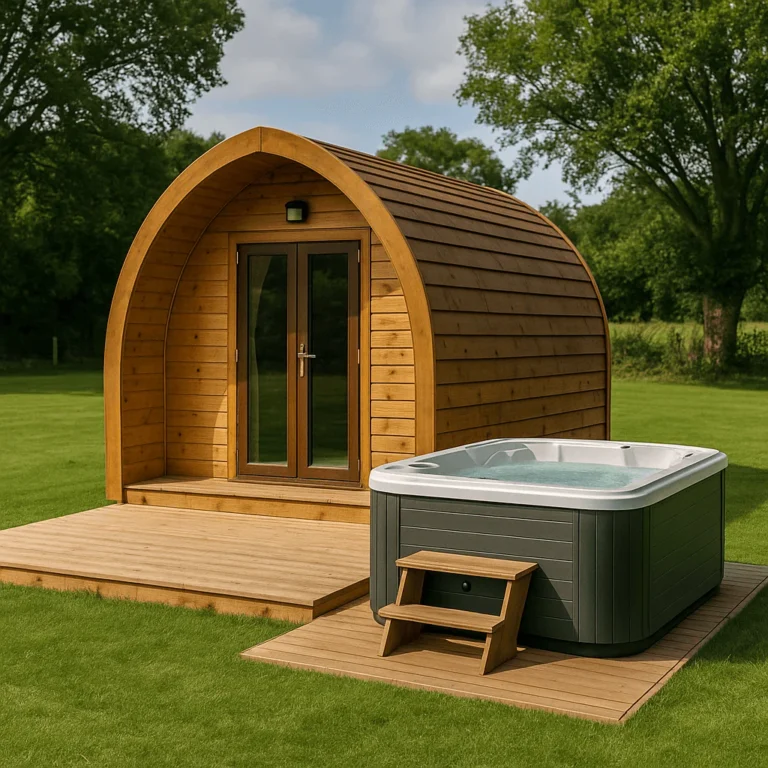
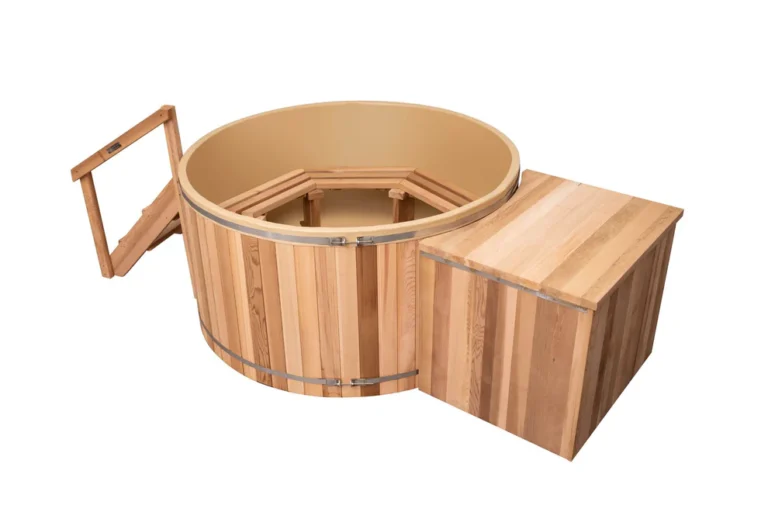
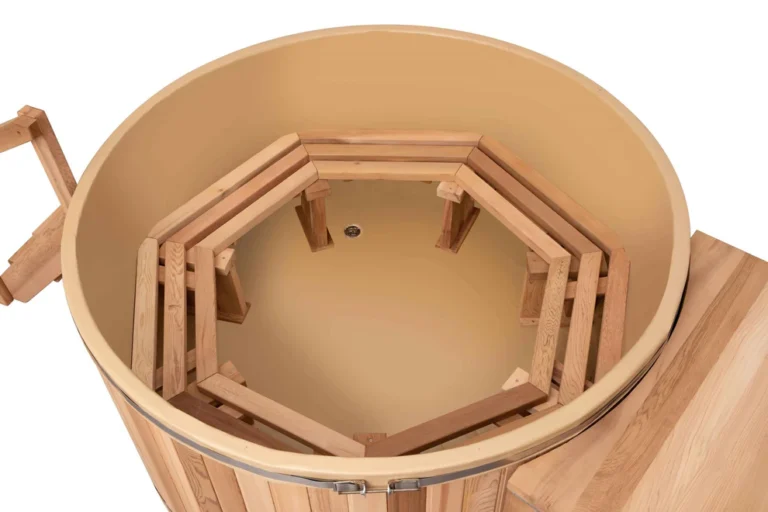
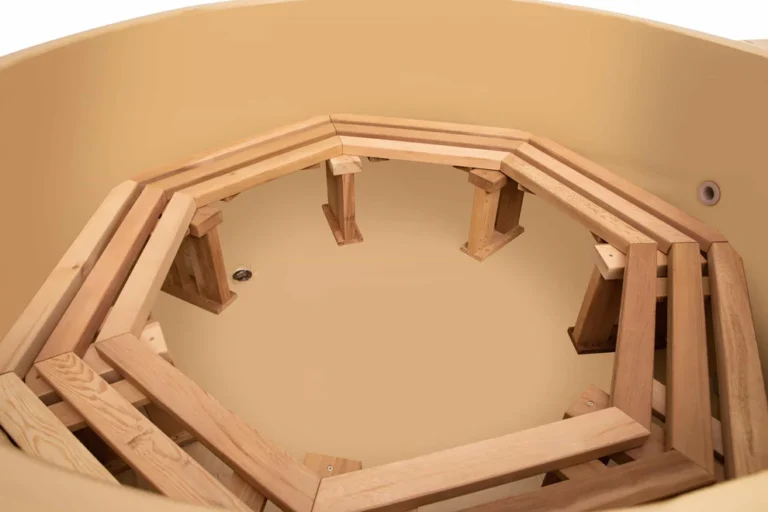
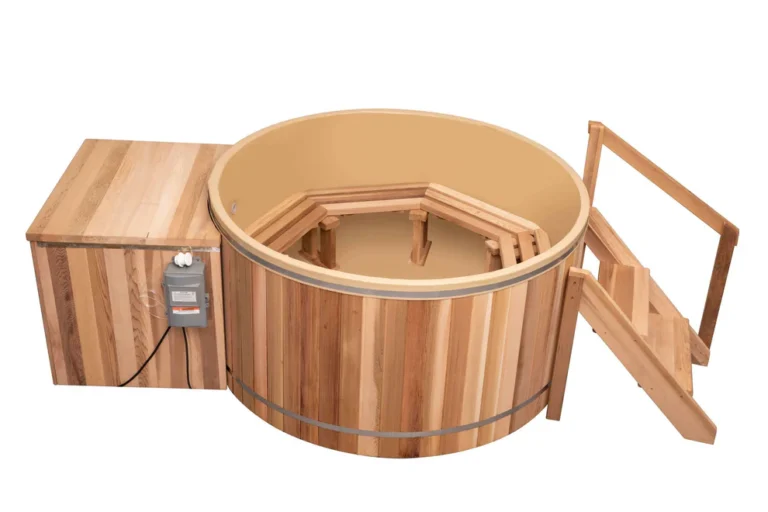
The most immediate benefit is the impact on your bottom line. Hot tubs allow for a clear premium pricing strategy.
Increased ADR (Average Daily Rate): Listings with private hot tubs consistently command higher nightly rates. Guests are willing to pay a premium for the convenience and luxury of a private soak under the stars.
Higher Occupancy Rates: A hot tub can be the deciding factor when a guest is scrolling through listings. It often turns a “maybe” into a “book now.”
Reduced Seasonality: Hot tubs allow you to market your resort as a year-round destination. Even in colder climates, guests are highly motivated to book if they know they have a heated, outdoor sanctuary to enjoy.
Glamping is a visually-driven market. Your online presence is your storefront, and a hot tub is your best marketing tool.
Visual Appeal: A steaming hot tub set against a backdrop of trees, mountains, or a starry sky is the gold standard for travel photography. It creates an aspirational image that travelers want to emulate.
Social Proof: Guests love taking photos in hot tubs. This generates user-generated content (UGC) for your resort, providing free, authentic marketing every time a guest posts a photo to social media.
Platform Filtering: On sites like Airbnb, Hipcamp, or Booking.com, “Hot Tub” is a high-traffic filter. Including this amenity ensures your property appears in the most lucrative search results.
Ultimately, your success relies on guest satisfaction and repeat bookings.
The “Luxury-in-Nature” Balance: Glamping appeals to people who want the outdoors but fear discomfort. A hot tub bridges the gap, providing the ruggedness of nature with the high-end pampering of a spa.
Romantic Appeal: A huge portion of the glamping market consists of couples on anniversaries, honeymoons, or weekend getaways. A private hot tub is inherently romantic and puts your property at the top of the list for these types of bookings.
Stress Reduction: The primary goal of a glamping vacation is to disconnect and de-stress. A hot tub provides an immediate physical mechanism for relaxation that is difficult to replicate with other amenities.


Adding small, individual saunas to your glamping units is a strategic move that taps into the booming “wellness tourism” market.
While hot tubs are a classic staple, saunas offer a unique set of benefits—specifically regarding lower operational overhead and high-end branding—that can significantly boost your bottom line.
Here is why individual saunas are a high-value asset for a glamping operator.
The most significant advantage of a sauna over a hot tub is the management cost.
Dry vs. Wet: Hot tubs require constant testing of pH, alkalinity, and chlorine/bromine levels. They are prone to leaks and pump failures. Saunas are “dry” environments.
Reduced Maintenance: A sauna requires occasional cleaning and wood treatment. It does not require daily chemical balancing or constant monitoring of water quality, saving your staff significant time and reducing the cost of chemicals and specialized cleaning supplies.
Turnover Speed: Preparing a unit for a new guest is much faster with a sauna. There is no water to drain, scrub, or refill between stays.
The modern glamping guest is increasingly motivated by wellness. By offering a sauna, you aren’t just selling a bed; you are selling a health retreat.
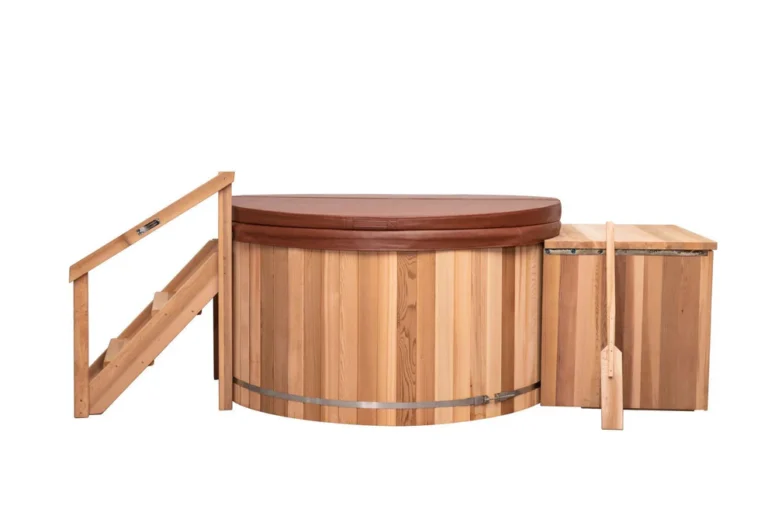
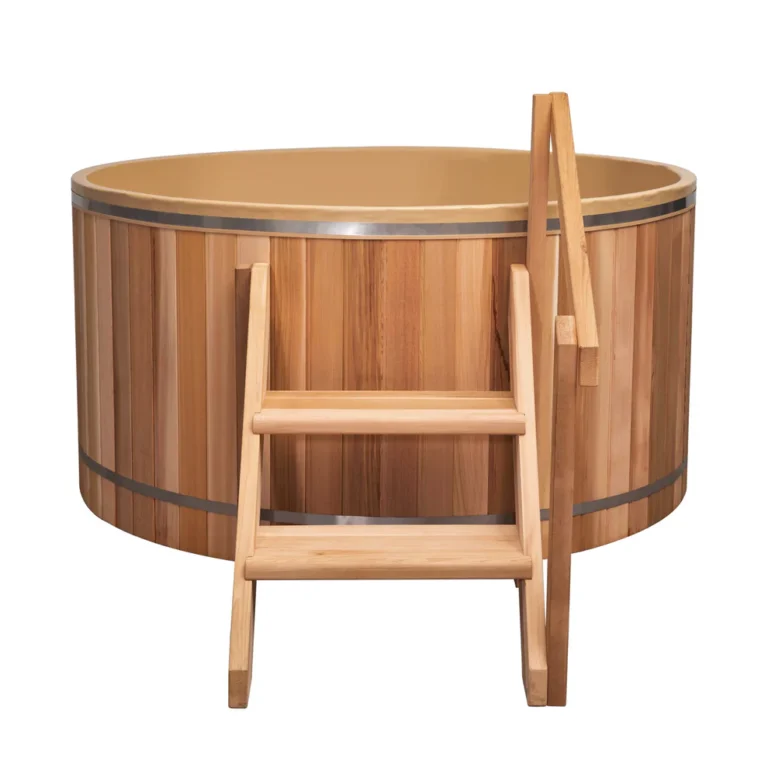
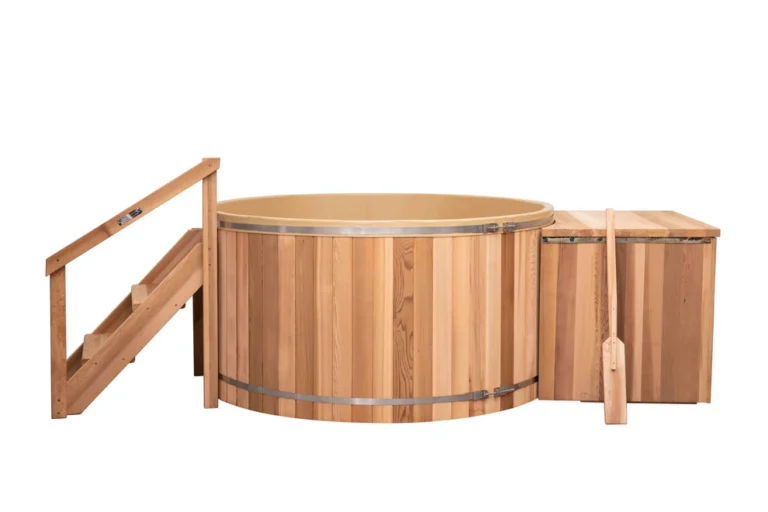
The Nordic Circuit: This is a massive trend right now. If you pair a small sauna with a simple cold plunge (even a high-quality stock tank), you create a “Nordic Spa” experience. Guests will pay a significant premium for the health benefits associated with heat-cold therapy.
Increased Nightly Rates: Because sauna-equipped units are rarer than hot-tub-equipped units, you can command a higher ADR (Average Daily Rate) for them. They position your glamping resort in the “luxury/boutique” category rather than just “camping.”
In the world of social media marketing, saunas are incredibly photogenic.
Design Appeal: A cedar-lined, barrel-style sauna or a modern, glass-fronted cube sauna adds architectural interest to your property. It provides a distinct, high-end visual hook that stands out in online listings compared to the standard “tent with a hot tub” profile.
Targeting the “Quiet” Traveler: Saunas are inherently quiet. Unlike the sound of jets in a hot tub (which can sometimes be noisy for nearby units), a sauna offers a silent, meditative experience. This attracts a higher-end demographic who values privacy and serenity.
To transform a glamping resort into a true “destination experience,” you must look beyond individual unit amenities.
The infrastructure should focus on lengthening the stay, increasing the perceived value, and solving the specific pain points of camping (like weather, lack of privacy, and cooking).
Given the Nova Scotia climate and the trend toward high-end experiential travel, here is a breakdown of infrastructure additions that offer the highest return on investment.
Glamping guests want the “outdoors” without the “roughing it.” Infrastructure that extends the living area outside the sleeping unit is essential.
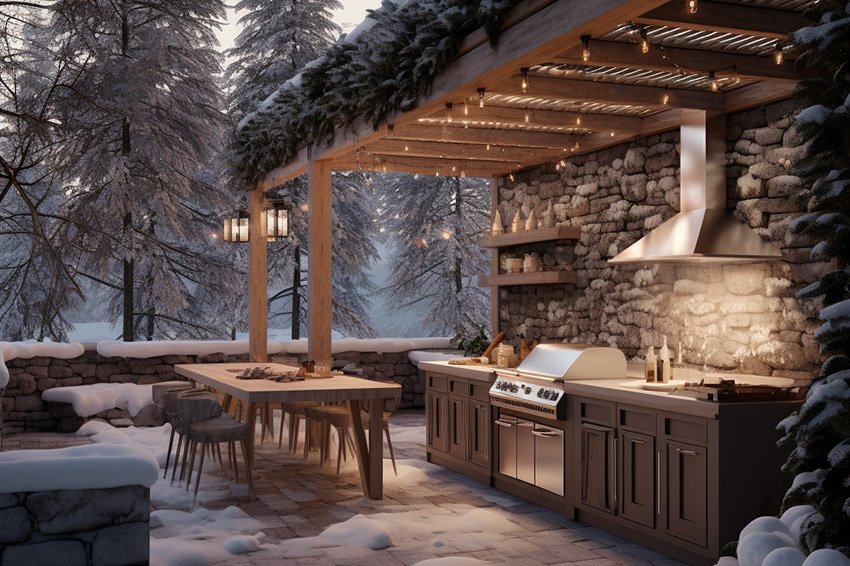
Weather-Protected Outdoor Kitchens: Most glampers want to cook but don’t want to do it in the rain. A covered, well-lit deck with a high-end gas grill (or a wood-fired pizza oven) allows guests to eat outside regardless of the weather.
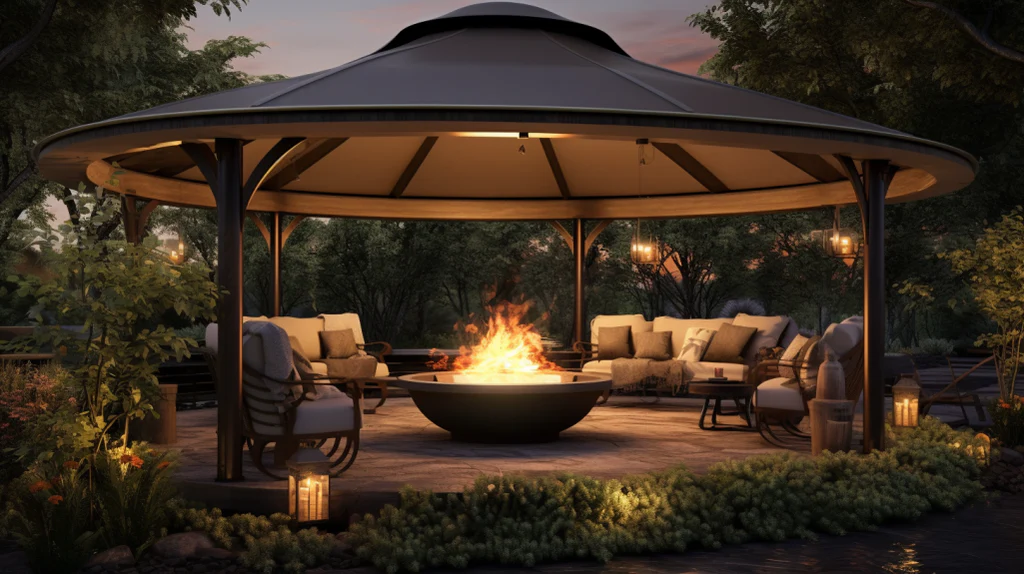
Elevated Fire Pit “Lounges”: Move away from the standard metal ring in the dirt. Create a designated fire area with Adirondack chairs, windbreaks, and perhaps a gravel or paver base. This turns a simple fire into a “gathering space” that guests will use for hours.
Weather-Proofed Decking: Investing in high-quality, weather-treated decking with permanent overhead shelter (like a pergola or sail shade) allows you to market your units as “open-air” even when it’s drizzling.
These infrastructure choices save time for your staff and cater to the “frictionless” expectations of modern travelers.
EV Charging Stations: This is a rapidly growing necessity. Installing Level 2 chargers attracts the eco-conscious, higher-spending demographic that drives electric vehicles. It also keeps them on your property longer.
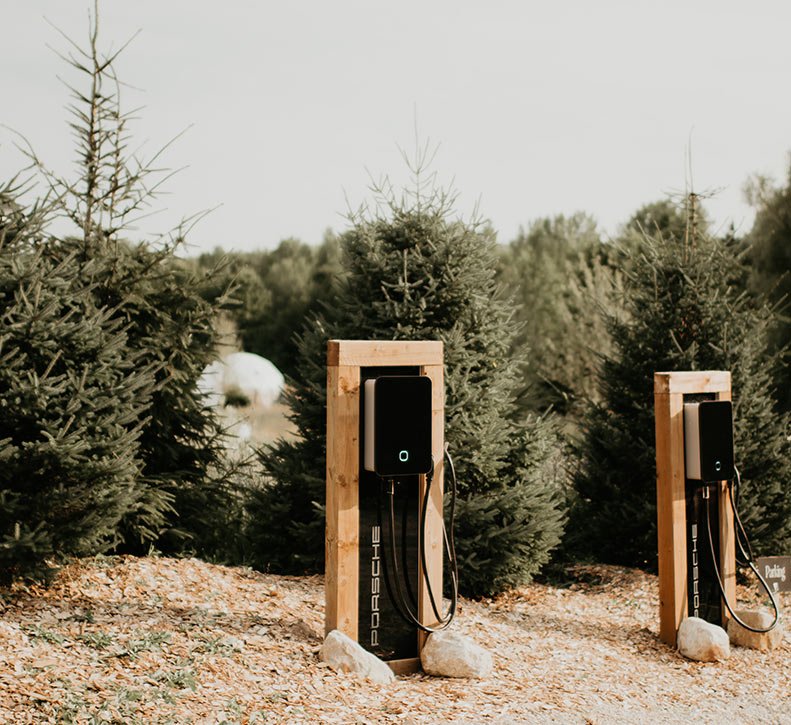
High-Speed, Reliable Wi-Fi (The “Work-from-Camp” Setup): Even if you market your resort as a “digital detox,” guests appreciate having the option to connect. A robust, resort-wide mesh Wi-Fi system is a huge selling point for “workation” travelers.
Smart Access Control: Implement keyless entry systems for all units. This allows for seamless, contactless check-ins and check-outs, significantly reducing the administrative burden on your staff.
These additions require little to no staffing but dramatically increase the appeal of the resort as a destination.
Stargazing Platforms: If you are in a location with low light pollution, build a simple, slightly elevated wooden deck with comfortable reclining loungers and a sky-view orientation. It’s an inexpensive build that creates an iconic “Instagrammable” moment.
Curated “Nature Corridors”: Instead of just letting guests wander, invest in clearly marked, well-maintained private trails on your property. Add signage, small seating nooks, or a “meditation spot” halfway along the path.
Communal Gear Shed: Provide a secure, organized spot where guests can store their own bikes, kayaks, or hiking gear. Alternatively, provide a “lending library” of outdoor games (bocce, cornhole) or snowshoes in the winter.
| Infrastructure | Primary Benefit | Investment Level | ROI Potential |
| EV Charging | Attracts luxury travelers | Low | High |
| Covered Kitchens | Extends usage/season | Medium | High |
| Stargazing Deck | “Instagrammability” | Low | Medium |
| Smart Locks | Operational efficiency | Low | High |
| Yoga/Fitness Deck | Wellness niche appeal | Medium | Medium |
Because you operate a Glamping Resort in Nova Scotia, you are uniquely positioned to leverage seasonality.
If you want to increase profitability in the shoulder seasons (spring and fall), consider investing in:
Heated Floors or Radiant Panels: If your units have solid floors, this is the single best way to ensure comfort in colder months.
Wind-Blocking Landscapes: Native hedging or high-quality glass windbreaks around your decks can make a massive difference in how long you can keep your resort open before winter hits.
Is your property located in a forested area, or is it more coastal/open-waterfront, and are you finding that your guests are looking for total seclusion, or are they interested in a more social, resort-like atmosphere?
Let’s discuss your project, we have a lot of experience in the hospitality industry and we would love to bounce multiple ideas around and figure out what would work best for you!
To effectively diversify, categorize your offerings into low-effort (high margin) and high-effort (high value) streams.
| Revenue Type | Examples | Implementation Effort |
| Consumables | Local breakfast baskets, S’mores kits, wine/charcuterie pairings. | Low |
| Retail/Merch | Branded apparel, local artisan crafts, high-end toiletries used in the domes. | Low |
| Equipment Rental | E-bikes, snowshoes, kayaks, telescope rentals for stargazing. | Medium |
| Experiences | Guided foraging, yoga classes, private chef services, photography sessions, Massage/SPA on demand | High |
| Events | Micro-weddings, corporate retreats, wellness workshops. | High |
Head Office:
177 Corkums Island Road
Corkums Island, NS B0J 2C0
Canada
Tel: (902) 298.4230
email: info@starglamp.ca